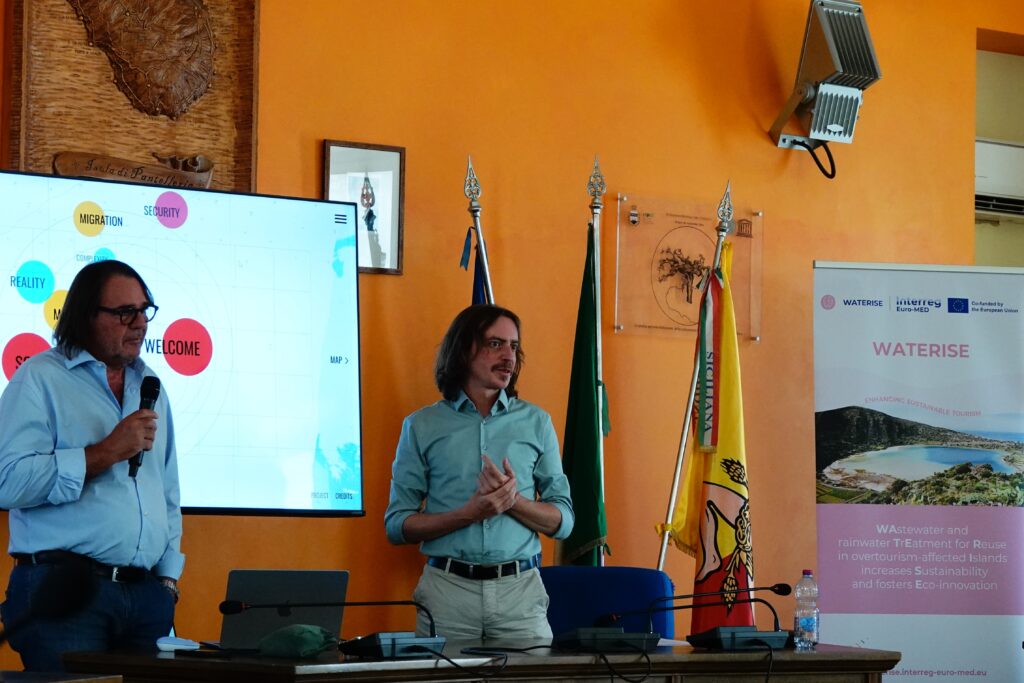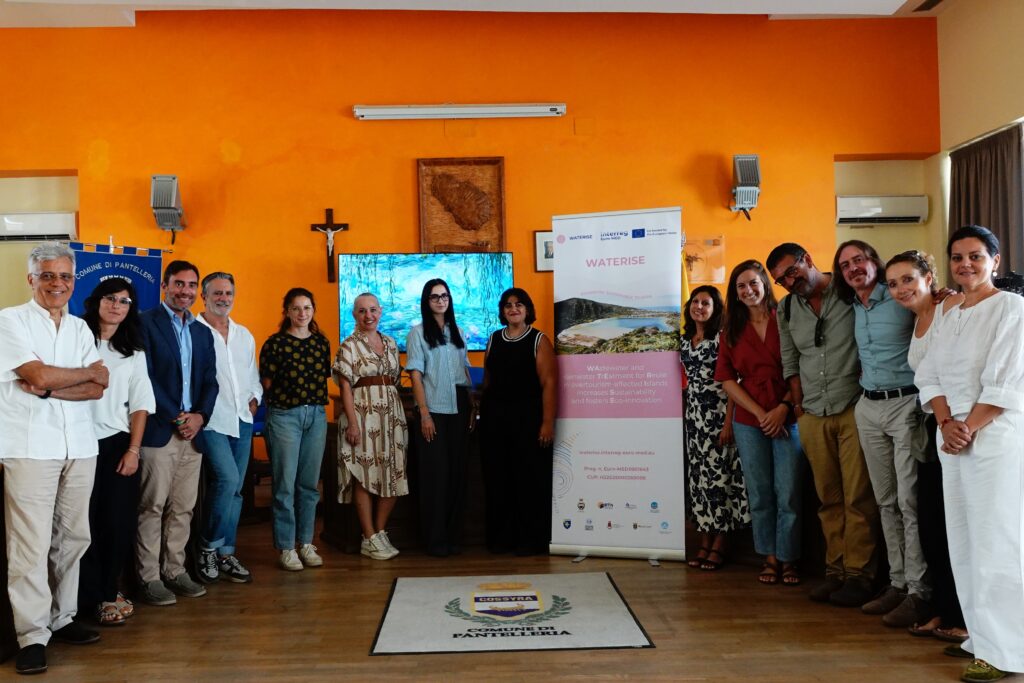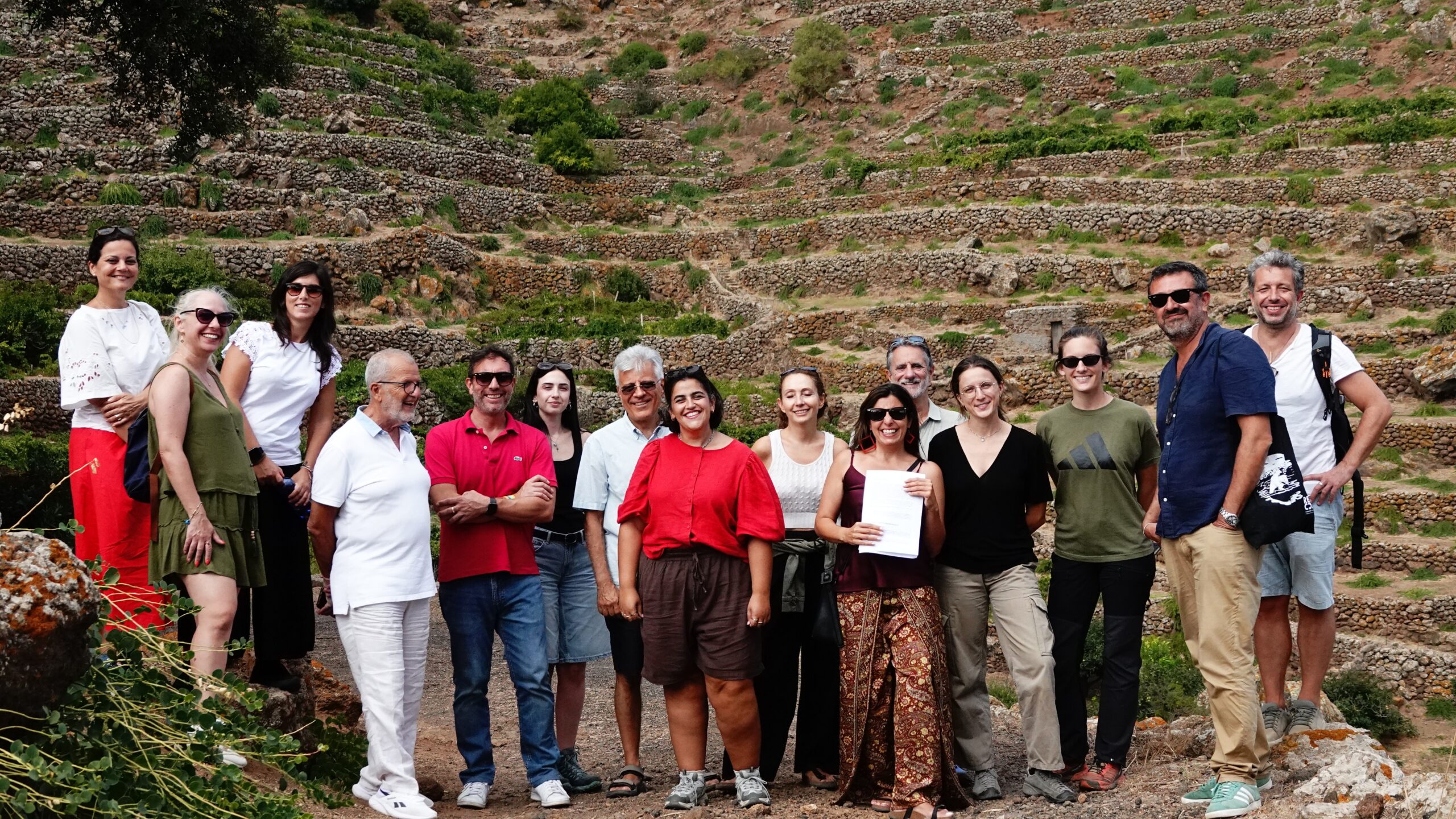

From 16 to 18 September, the island of Pantelleria hosted the WATERISE Study Visit, bringing together project partners and stakeholders from across the Mediterranean to explore traditional nature-based solutions for water management and to exchange experiences on addressing water scarcity in tourism-oriented island territories. The activity represented an important milestone in the project’s study phase, combining field-based learning, stakeholder dialogue and strategic planning for the next stages of cooperation. The three-day programme welcomed representatives of the WATERISE consortium from Italy, Malta, Cyprus and Corsica, who had the opportunity to experience first-hand how local communities have developed and maintained water-wise practices over generations.
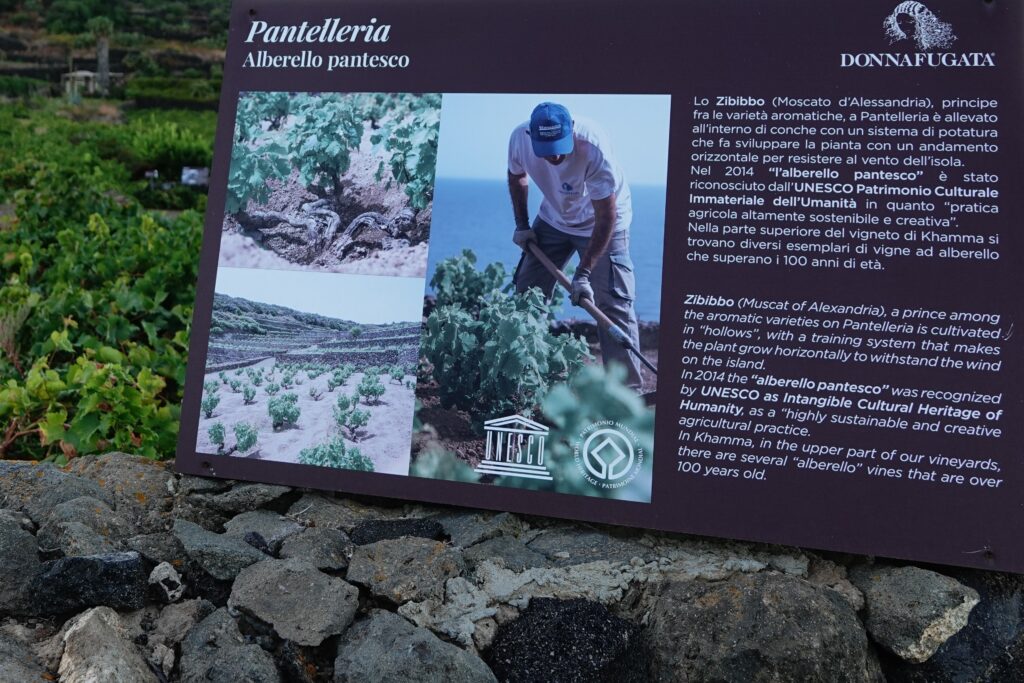
Throughout the visit, participants explored the relationship between water management, landscape conservation, agriculture, tourism and community resilience, drawing connections between Pantelleria’s experience and the challenges faced by other Mediterranean islands. The study visit opened with a series of field activities dedicated to Pantelleria’s traditional heritage and natural environment. Participants visited historic ‘dammusi’ used today for sustainable hospitality, explored the Lago Specchio di Venere and the thermal area of Gadir, and learned about indigenous rainwater collection systems such as the traditional ‘buvire’. The day concluded with an official welcome hosted by the Municipality of Pantelleria and delivered by Councillor Massimo Bonì, followed by a visit to the ‘Giardino Pantesco’ Donnafugata, a unique example of adaptation to water scarcity and resource-efficient cultivation practices.
During the second day, partners deepened their understanding of the island’s environmental and cultural landscape through visits to the Geonaturalistic Museum of Punta Spadillo and the Stanza del Mare exhibition, guided by expert staff of the Pantelleria National Park, whose valuable contributions provided insights into the island’s volcanic origins, unique ecosystems and ongoing conservation efforts. They also met Giampaolo Rampini, President of RESILEA APS and author of the exhibition ‘The Art of the Creeping Olive Tree’, who presented the association’s activities and the community-led project EcCiCoCò-Cooperative Community Circular Ecosystems, funded by Fondazione CON IL SUD. The discussion highlighted how circular economy, community composting and social innovation can contribute to building more resilient and sustainable island communities. The visit was further enriched by encounters with local actors engaged in promoting and interpreting Pantelleria’s cultural and environmental heritage, including Francesco Brignone, author of the blog ‘Conoscere Pantelleria’. The field programme continued through some of Pantelleria’s most iconic rural and natural sites, including the Anfiteatro del Cappero, Grotta di Sataria and the Museo del Cappero, highlighting how traditional knowledge, landscape management and local identity continue to contribute to resilience in conditions of water scarcity.
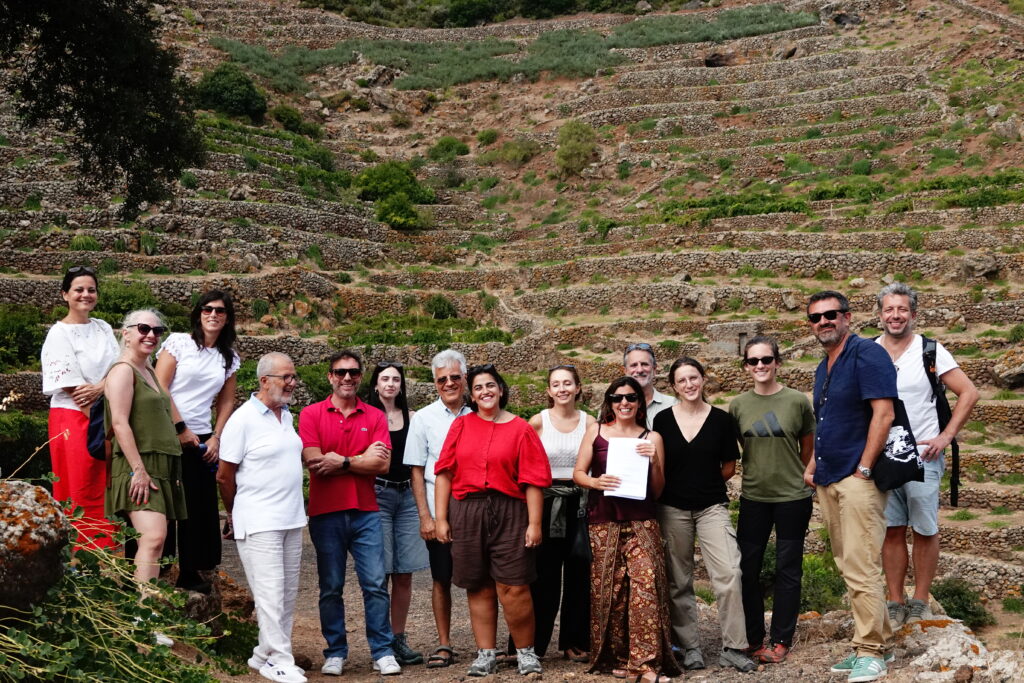
The study visit also benefited from the valuable commitment of the Municipality of Pantelleria. Throughout the three days, project partners were welcomed by Fabrizio D’Ancona, Mayor of Pantelleria, and by Salvatore Gambino, Head of the Technical Area of the Municipality and director of the department responsible for coordinating the WATERISE project. Their efforts, together with the dedicated coordination work of Serena Angileri, made it possible to deliver a rich and well-structured programme of activities across the island. The presence of the President of Malta’s East Region Anthony Chircop and of Île-Rousse Deputy Mayor Patrick Botey created an opportunity for institutional exchange and dialogue on the local challenges faced by the three islands’ communities. The final day took place in the Council Chamber of the Municipality of Pantelleria, where partners gathered for the WATERISE Transnational Meeting. During the session, participants reviewed progress achieved so far and discussed the next project activities. Technical contributions from the Engineering Department of the University of Palermo, coordinated by the environmental engineer Professor Daniele di Trapani, focused on water balance and nature-based solutions in small Mediterranean islands, while discussions among partners highlighted common challenges and opportunities related to water scarcity, tourism pressures and climate adaptation.
The meeting also included a participatory Study Circle aimed at assessing the transferability of traditional water-management practices observed during the visit and identifying opportunities for future cooperation through the project’s emerging Community of Practice. Throughout the study visit, participants were also accompanied by selected readings from the book /Pantelleria. L’ultima isola’ by Giosuè Calaciura (Laterza). These literary excerpts offered an additional perspective on the island, helping to connect its landscapes, traditions and water heritage with the stories and identities that continue to shape Pantelleria today.